
Finishing orthodontic treatment is an exciting milestone, but keeping your smile straight doesn’t end when your braces or clear aligners come off. Retainers help maintain your results by preventing your teeth from gradually shifting back toward their previous positions. Because retainers don’t last forever, knowing when to replace yours is an important part of protecting your smile.
How Long Does a Retainer Last?
There isn’t one universal replacement schedule for every retainer. Its lifespan depends largely on the type of retainer you have, how often you wear it, and how well you care for it.
Clear plastic retainers are popular because they’re discreet and easy to wear. However, they can become scratched, cracked, warped, or worn down over time. Depending on the individual, a replacement may be needed after several months to a few years.
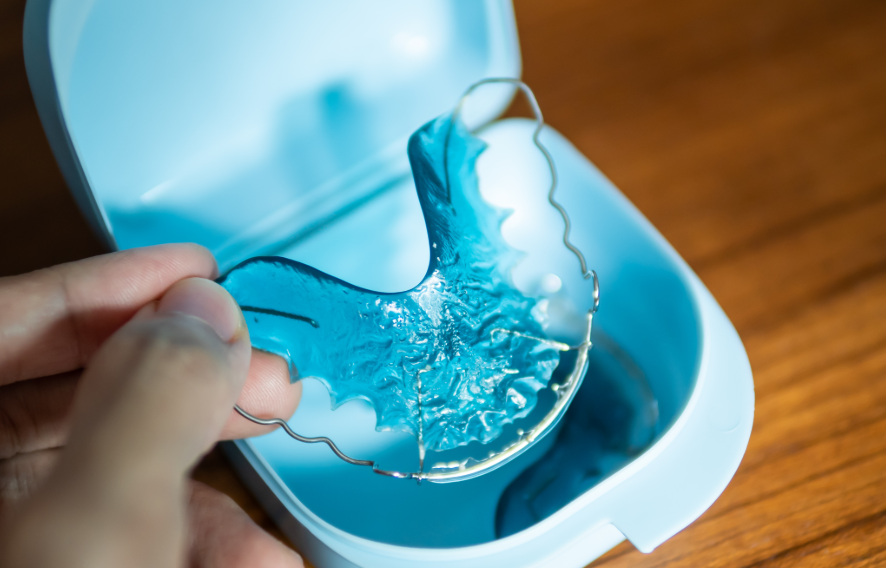
Hawley retainers, which typically consist of acrylic and a wire, are generally more durable. With proper care, they can last for several years. Even so, the acrylic can wear down and the wire can become damaged or bent.
Permanent, or fixed, retainers are attached to the backs of the teeth and don’t need to be removed for meals or cleaning. Because they remain in place, they can potentially last for many years. However, the bonding can loosen or the wire can become damaged, so regular dental and orthodontic checkups are still important.
Signs You Need a New Retainer
Sometimes your retainer will make it pretty obvious that it’s time for a replacement. Cracks, broken wires, sharp edges, or significant discoloration can all be reasons to have it evaluated.
You should also pay attention to how your retainer fits. A retainer that suddenly feels unusually tight, loose, or uncomfortable may no longer be fitting your teeth correctly. Don’t try to force a damaged or poorly fitting retainer into place, as this could cause discomfort or potentially affect your teeth.
Changes in your smile can also be a warning sign. If you notice that your teeth are beginning to shift or your bite feels different, contact your orthodontic provider. Your retainer may need to be replaced, or you may need additional treatment to address tooth movement.
What Can Shorten Your Retainer’s Lifespan?
How you care for your retainer can make a significant difference. Chewing on it, exposing it to excessive heat, or cleaning it with harsh products can damage the material. Pets are another surprisingly common culprit—if you leave your retainer somewhere accessible, a curious dog may decide it’s a chew toy.
When you’re not wearing a removable retainer, keep it in its protective case. Clean it according to your orthodontic provider’s instructions, and avoid placing it in hot water, which can warp certain materials.
Don’t Wait Until It Breaks
Even if your retainer looks fine, regular checkups can help determine whether it’s still doing its job. If you’re unsure about its condition or notice that it doesn’t fit like it used to, ask your dental or orthodontic team to take a look.
Replacing a worn-out retainer is a small step that can help protect the results you’ve worked hard to achieve.
A little retainer maintenance now can help keep your smile looking its best for years to come.
About the Practice
Smiles by Palmer provides orthodontic and dental care designed to help patients maintain healthy, confident smiles. Dr. Nicholas Palmer offers retainer care and guidance to help patients protect their orthodontic results, whether they’re adjusting to a new retainer or need a replacement for an older one.
Call us at (412) 833–6188 or schedule your appointment online.